
Explore More Stable Removable Teeth
Implant-Supported Dentures
Discuss implant-retained denture options with a local provider. Get a Free Estimate
Conventional dentures rely on their fit against the gums and supporting tissues. As the jaw changes over time, a denture may become less stable, particularly in the lower jaw. Implant-supported or implant-retained dentures use attachments connected to dental implants to improve retention.
Many of these restorations are removable by the patient. They are sometimes called snap-in dentures or implant overdentures. Their design differs from a fixed full-arch restoration that remains attached during daily cleaning.
We help people who are interested in improving denture stability connect with an independent dental provider. The contractor can assess existing dentures, supporting tissues and bone availability before recommending a particular attachment system.

Implant overdentures can be designed in several ways. The number of implants, type of attachment and amount of support provided by the gums depend on the individual treatment plan.
The lower jaw often presents challenges for conventional denture retention because the tongue and surrounding muscles move during speaking and eating. A lower implant overdenture may improve stability by connecting the denture to implants placed within suitable areas of the jawbone. A common approach uses two implants to retain a lower denture, although other configurations may be recommended. Some designs continue to receive substantial support from the gum tissues, while others distribute support differently. The dental provider evaluates available bone, bite forces and the patient's ability to insert and remove the denture comfortably.
Upper implant dentures have different anatomical and mechanical requirements from lower overdentures. Bone characteristics, sinus position and the distribution of chewing forces can affect the number and placement of implants needed. The upper jaw may require a more extensive implant arrangement to support the planned restoration. Certain implant denture designs may allow reduced coverage of the roof of the mouth. However, this is not appropriate for every patient or attachment configuration. The contractor should explain how the proposed denture gains its support and whether changes to palatal coverage would affect strength, retention or long-term function.
Some implant dentures connect to individual attachment components positioned on each implant. Others use a connecting bar that links multiple implants together. Both approaches can improve retention when appropriately planned, but they differ in their space requirements, cleaning needs and servicing considerations. Attachment inserts can wear through normal use and may eventually need replacement. The denture base may also require adjustment as supporting tissues change. Ask the dental provider how the proposed system is maintained, whether replacement components are readily available and how the denture can be serviced if retention decreases.
Patients sometimes ask whether their current denture can be adapted to connect with implants. This may be possible if the denture has an appropriate fit, adequate material thickness and sufficient space for the attachment components. Older or damaged dentures may not provide a suitable foundation for conversion. The provider evaluates the existing prosthesis before deciding whether modification or fabrication of a new denture is preferable. A new restoration may offer better control over tooth positioning, attachment alignment and the overall bite. The decision should consider both current function and the expected maintenance needs of the finished denture.
Your request can focus on movement, discomfort or difficulty eating with your current removable teeth.
The contractor can explain the practical differences between individual attachments, bar systems and fixed restorations.
Insertion, removal and cleaning requirements can be discussed before selecting an attachment arrangement.
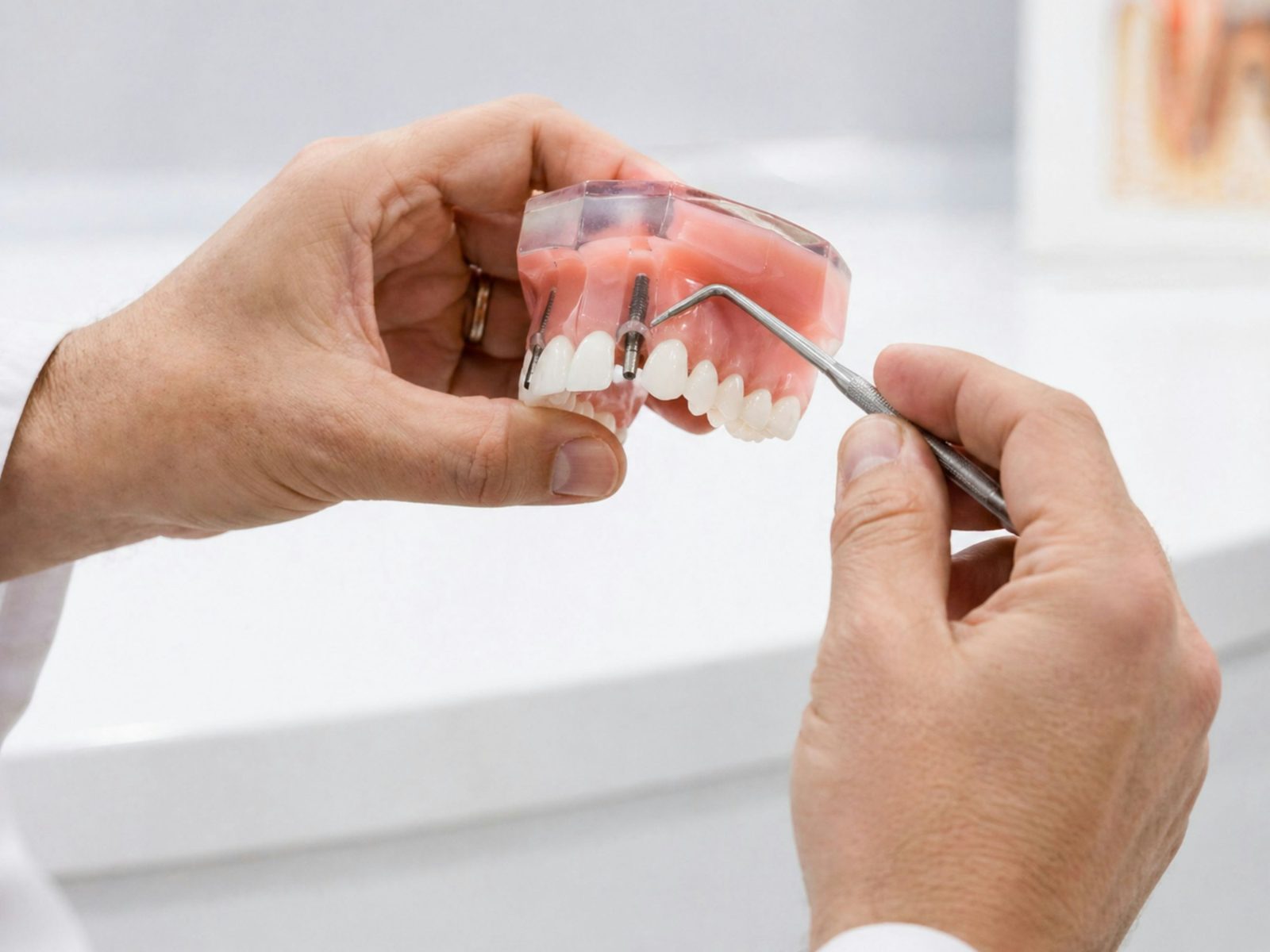
Explore whether implant-retained removable dentures could improve your everyday comfort and function.
Free — no obligations
Describe whether your upper or lower denture moves, causes discomfort or no longer meets your functional needs.
The contractor assesses supporting tissues, available bone and the condition of your existing prosthesis.
Discuss the proposed implant arrangement, denture design and anticipated maintenance requirements.
The dental professional manages implant surgery and determines when the attachments can be used safely.

Many removable implant dentures are intended to be taken out during sleep. Follow the specific instructions provided for your restoration and oral health circumstances.
Attachment inserts can wear as the denture is repeatedly inserted and removed. A dental professional can examine the components and determine whether replacement or adjustment is needed.
Yes. Designs that receive support from the gums can develop pressure areas, especially when the supporting tissues change. Professional adjustment may improve comfort.
Many patients need less adhesive or none at all because the attachments provide retention. The appropriate approach depends on the denture design and the treating provider's recommendations.