
Fixed Replacement for Multiple Missing Teeth
Implant-Supported Dental Bridges
Explore a fixed solution for several missing teeth. Get a Free Estimate
When several neighboring teeth are missing, an implant-supported bridge may provide a fixed replacement without requiring an individual implant for every missing tooth. The bridge connects to implants positioned to support the restoration.
This approach differs from a conventional bridge, which relies on natural teeth for support. It also differs from a removable partial denture that the patient takes out for cleaning.
We help people with multiple missing teeth connect with an independent dental provider. The contractor evaluates the length of the gap, supporting bone and existing bite to determine whether an implant bridge is appropriate.
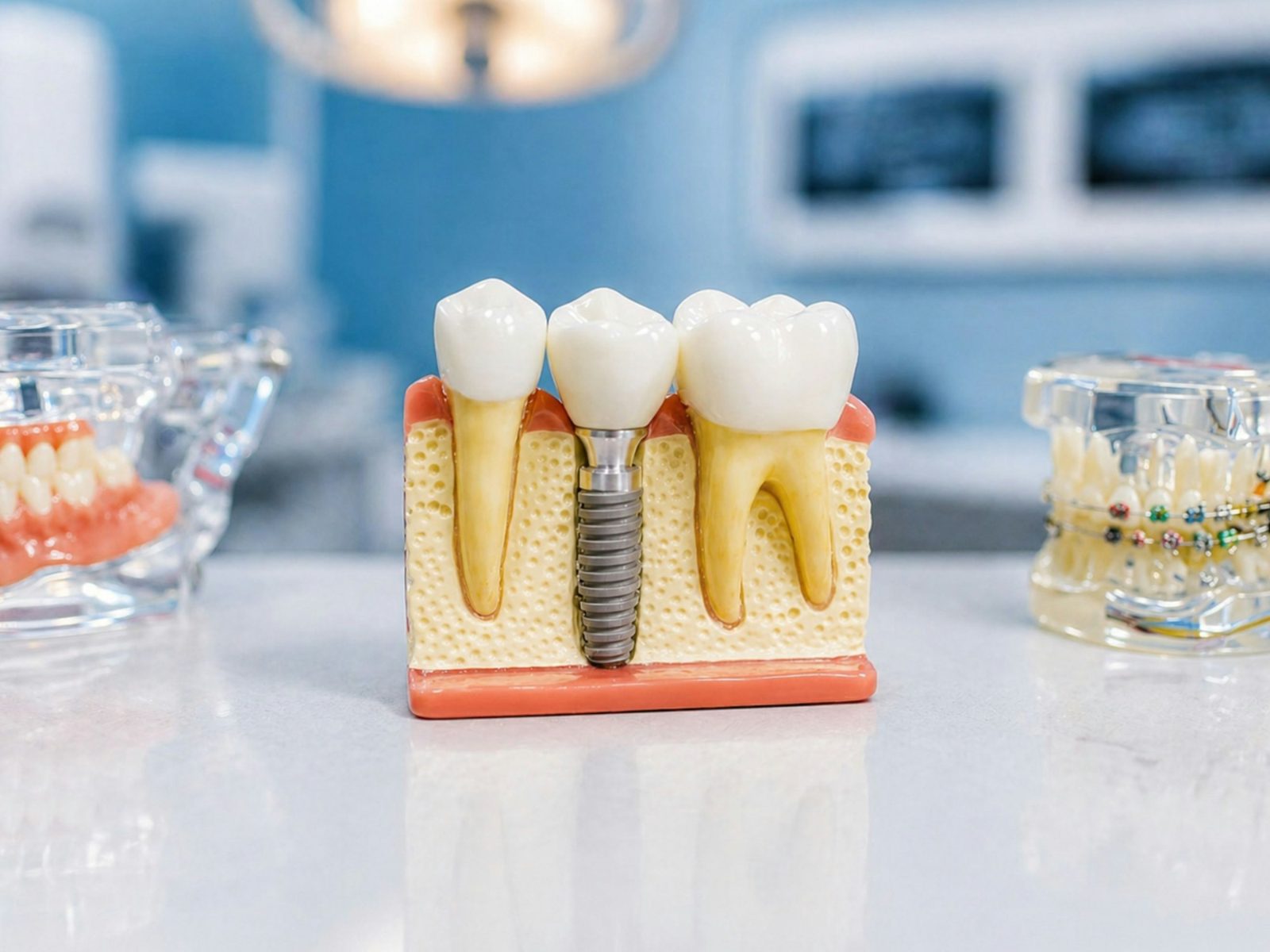
A successful bridge design needs to distribute chewing forces appropriately while allowing access for cleaning. Implant positioning, restorative materials and the length of the missing tooth segment all influence treatment planning.
An implant bridge can replace a continuous section of missing teeth using implants at selected supporting positions. For example, certain three-tooth gaps may be restored with two implants supporting a connected three-unit bridge. This arrangement is not automatically appropriate for every gap. The provider considers the distance between supporting implants, the dimensions of the available bone and the amount of force expected during chewing. Longer spans may require additional support or a different restorative design. Careful assessment helps determine whether a connected bridge or separate implant crowns would provide a more suitable result.
Implants need to be positioned in relation to the planned replacement teeth rather than simply placed wherever bone is available. Their spacing and orientation influence the shape of the bridge, its attachment components and the way chewing forces are transferred into the supporting structures. Back tooth bridges often experience considerable functional loads. Patients who clench or grind may require additional considerations when the restoration is designed. Unsupported extensions of a bridge can introduce mechanical challenges, so their use requires careful professional assessment. The provider should explain how the proposed arrangement addresses your particular bite.
Implant bridges can be fabricated using different restorative materials and supporting frameworks. Material selection depends on the location of the missing teeth, available space, aesthetic preferences and anticipated functional demands. The provider may also consider how easily the restoration could be repaired or serviced. Some bridges are secured using screws that connect the restoration to the implant components. Others use cemented attachments. The appropriate method depends on the implant positions and overall restorative design. Ask how the bridge would be accessed if a component becomes loose or if the restoration requires future repair.
A connected bridge includes replacement teeth that may sit above the gum without an individual implant beneath each one. These areas require regular cleaning to remove plaque and trapped food. Ordinary flossing between separate natural teeth may not be sufficient for reaching underneath the connected restoration. The dental provider can demonstrate suitable flossing aids, interdental brushes or other cleaning methods based on the bridge design. Professional monitoring helps identify inflammation around supporting implants and changes in the surrounding tissues. A bridge that becomes difficult to clean should be assessed rather than allowing the problem to continue unnoticed.
We help you request an evaluation specifically for a group of missing teeth.
The contractor can explain why a particular support arrangement is recommended for your gap and bite.
You can ask about repair access, cleaning requirements and maintenance before accepting the restoration.

Discuss a fixed implant bridge for your missing teeth with an independent dental provider.
Free — no obligations
Identify whether the gap involves front teeth, back teeth or several neighboring teeth in one part of the mouth.
The contractor examines the available space, neighboring teeth, supporting bone and opposing bite.
Discuss the proposed implant positions, restoration material, attachment method and alternatives.
The treating professionals complete necessary preparation and placement before monitoring integration.

No. A bridge can sometimes replace multiple adjacent teeth using fewer implants than replacement teeth. The appropriate arrangement depends on the span, bone condition and expected chewing forces.
Yes, when clinical conditions support that approach. Front tooth bridges require particular attention to gum contours, tooth proportions and the appearance of the smile.
Suitable cleaning aids may help remove trapped material. Persistent food trapping or difficulty cleaning should be evaluated because the bridge design or surrounding tissues may need attention.
This may be possible after assessing the supporting natural teeth and bone beneath the missing tooth segment. The provider determines whether the existing bridge should be retained, repaired or replaced.