
Understanding Your Tooth Replacement Options
How Dental Implants Work and What Affects Cost
Explore the treatment process with an independent dental provider. Get a Free Estimate
Dental implants replace the root portion of missing teeth and provide support for artificial teeth. A typical implant restoration consists of an implant positioned in the jawbone, a connecting component called an abutment and a replacement tooth or larger dental prosthesis.
The treatment process depends on more than the number of teeth you need to replace. The condition of your supporting bone, existing dental problems, general health and intended restoration all influence the procedures involved.
We help you connect with an independent dental implant provider who can assess these considerations and explain your options. The contractor handles clinical decisions, treatment planning and any procedures you agree to receive.
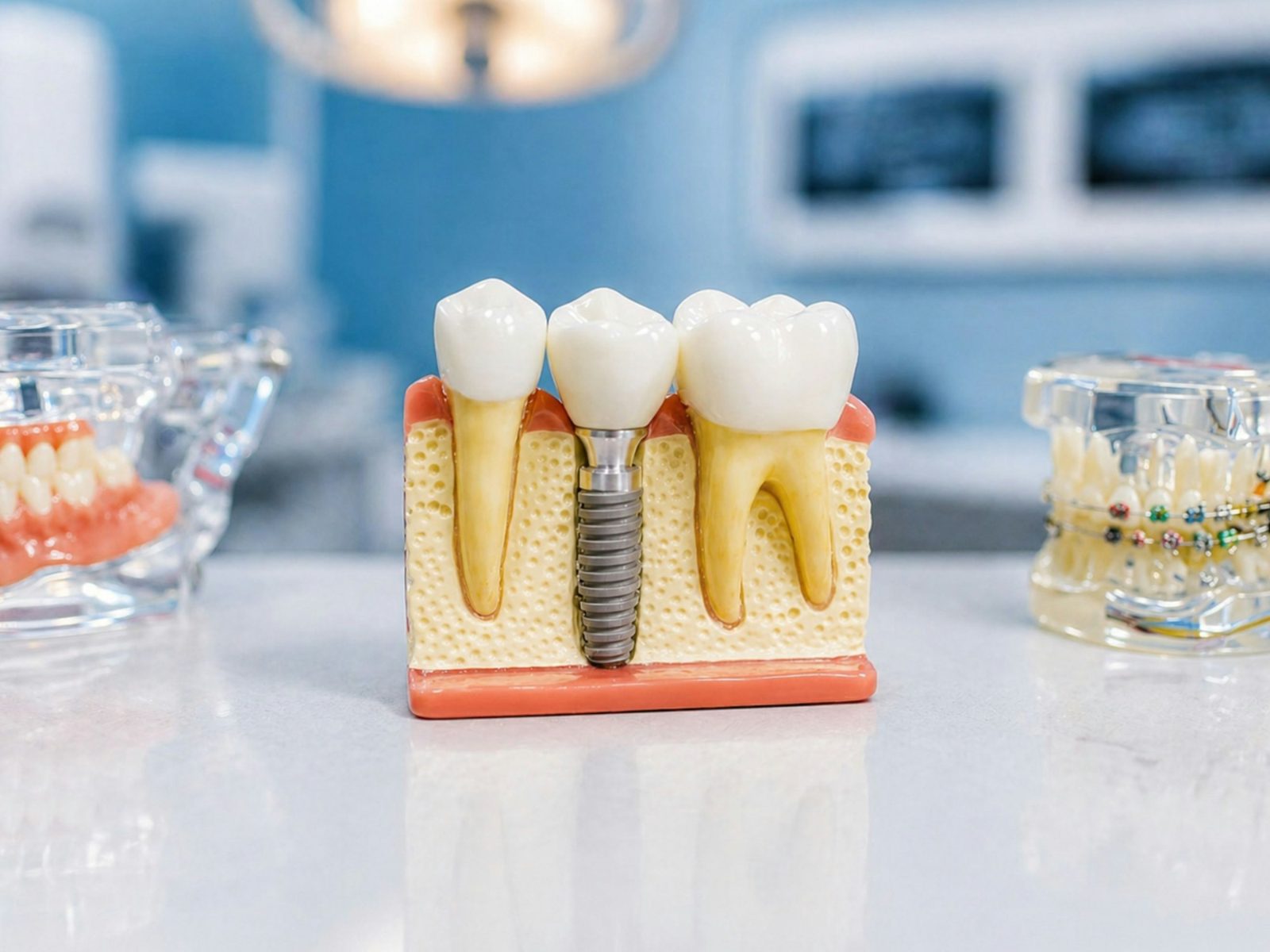
Understanding the individual stages of implant care helps you recognize why treatment plans differ between patients. The following considerations commonly influence the scope of the procedure.
An implant evaluation begins with gathering information about your oral health and medical background. The dental provider examines the condition of your gums, remaining teeth and bite. Existing infections or untreated dental disease may need attention before an implant can be considered. Imaging helps establish the available bone dimensions and identify important anatomical structures. A three-dimensional scan may provide additional information when conventional imaging is insufficient. The provider uses these findings to determine potential implant positions and assess whether the proposed restoration can function appropriately.
The jawbone needs to provide adequate support for an implant. When a tooth has been missing for an extended period, the surrounding bone may have changed considerably. Bone grafting may be recommended to improve the available foundation, depending on the location and extent of the deficiency. Teeth that cannot be maintained may require extraction before or during implant placement. The timing depends on infection, bone condition and the ability to obtain appropriate initial implant stability. Additional preparation can extend the treatment timeline and increase the complexity of the overall procedure.
The dental professional creates a carefully planned opening in the jawbone and positions the implant within it. The procedure may involve different surgical techniques depending on the patient's anatomy and restorative requirements. Appropriate anesthesia is selected after considering medical history and the anticipated procedure. After placement, bone gradually develops a stable connection with the implant surface. This biological process is essential to long-term support. Some patients may receive a temporary restoration during healing, while others need to avoid loading the implant until sufficient stability has developed.
The final restoration is designed to fit the available space, surrounding teeth and patient's bite. Materials, laboratory fabrication and connecting components vary according to the intended result. A single crown has different design requirements from a bridge or complete arch prosthesis. When reviewing a treatment proposal, consider whether it includes diagnostic appointments, surgical preparation, temporary teeth, the final restoration and postoperative monitoring. Sedation, grafting and treatment of existing oral disease can introduce additional requirements. The contractor can provide an individualized estimate after evaluating these details.
We help you begin a conversation about the entire implant process rather than focusing only on the surgical appointment.
The contractor can explain how your medical history, bone condition and restoration preferences affect the proposed approach.
An evaluation allows you to compare implant treatment with other appropriate methods of replacing missing teeth.

Get a clearer understanding of your individual implant treatment requirements by requesting a consultation.
Free — no obligations
Tell us whether you are missing one tooth, multiple teeth or an entire arch. Mention any existing dentures or previous implant treatment that may be relevant.
The independent dental provider contacts you to discuss your request and arrange an evaluation where appropriate.
The provider assesses your oral health and explains the proposed implant positions, preparatory procedures and restoration options.
Review the written plan, individualized estimate, expected healing intervals and potential complications before consenting.

The implant is the artificial root placed within the jawbone. The crown is the visible replacement tooth attached to the implant through an appropriate connecting component.
Grafting may be recommended when existing bone is insufficient to support an implant in the desired position. The need for grafting depends on imaging findings and the planned restoration.
Integration commonly takes several months, although healing varies considerably. The treating provider determines when the implant is ready to support the intended restoration.
Ask for a breakdown of diagnostic services, surgery, preparatory procedures, connecting components and replacement teeth. Clarify which follow-up services are included and what could change the proposed treatment.